 Canada
 Austrilia
 Arabic
In the past, shipping a package—whether across the country or across the world—often felt like dropping a letter into a mailbox and hoping for the best. Once the truck pulled away, the shipment entered a “black box.” You knew it left, and you hoped it arrived, but the days in between were a mystery.
For businesses and consumers alike, that era is over.
Today, the question isn’t just “How fast can it get there?” but “Can I see it every step of the way?” At Swiss Logistics, we believe that real-time visibility isn’t just a premium feature; it is the foundation of modern trust. Here is why shipment tracking has become the most critical component of the logistics industry.
1. The Amazon Effect: Changing Consumer Expectations
We have all experienced the “Amazon Effect.” When you order a product online, you don’t just get a confirmation email; you get a map. You see when the package leaves the warehouse, when it arrives at a local sort facility, and exactly how many stops away the delivery truck is.
This level of transparency has reset the bar for every industry. Customers now expect the same level of detail whether they are ordering a book, shipping automotive parts, or moving freight. They don’t just want a delivery date; they want the data that proves the date is accurate.
2. Proactive Problem Solving vs. Reactive Firefighting
For logistics managers, visibility is the difference between putting out fires and preventing them.
Without tracking, you only know there is a problem when the customer calls to complain that their shipment is late. With real-time visibility, you know the moment a shipment is delayed—whether due to weather, customs holds, or traffic.
This allows businesses to shift from reactive to proactive:
- Rerouting: If a hub is congested, can we divert the shipment?
- Communication: Can we notify the customer before they ask?
- Planning: Can the production line adjust its schedule if raw materials are delayed?

3. Data: The Fuel for Efficiency
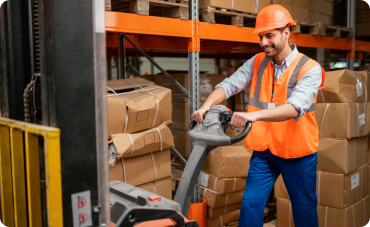
Tracking does more than tell you where a package is; it tells you how your supply chain performs. By analyzing tracking data over time, businesses can identify bottlenecks.
Are shipments consistently delayed at a specific border crossing? Is one carrier faster than another on a specific route? This historical data allows companies to optimize their logistics networks, reduce costs, and improve transit times for future shipments.
4. Security and Accountability
High-value shipments require high-level security. Real-time GPS tracking acts as a deterrent against theft and loss. If a truck deviates from its planned route or stops for an unusual amount of time, alerts can be triggered immediately.
Furthermore, visibility creates accountability. When every scan is recorded, it becomes clear where a package was damaged or lost, simplifying the claims process and ensuring that partners are held to their service level agreements (SLAs).
The Swiss Logistics Approach
At Swiss Logistics, we built our platform around the concept of “No More Guesswork.” Whether you are using our Air Cargo Solutions for urgent international freight or our Road Freight services for regional distribution, our tracking technology keeps you informed.
From the moment a label is created to the final proof of delivery signature, we turn the “black box” of logistics into a clear window.
Ready to bring visibility to your supply chain?
Contact our team today to learn how our tracking tools can integrate with your business.